When Desire Wears A Logo: The Blind Pursuit Of Luxury
By Archit Kayal
3/31/20266 min read
When a designer handbag seems to excite longer queues than a university degree, you may carry on wondering if Chuck Palahniuk was speaking sage wisdom when he said, "the things you own end up owning you.
At some point, luxury ceased to be craftsmanship and became emotion. People do not buy handbags or shoes-they get an "emotional craze." This is blind luxury buying, spending not out of need but desire for status and belonging.
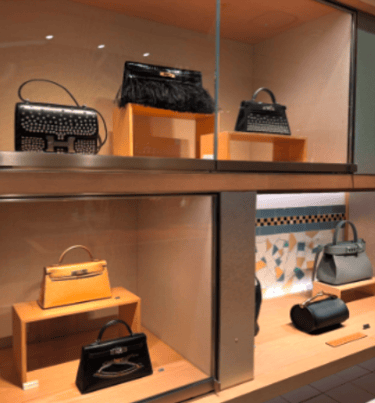
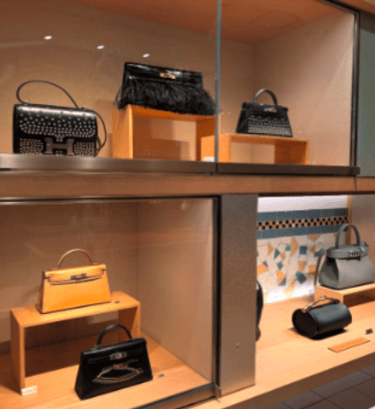
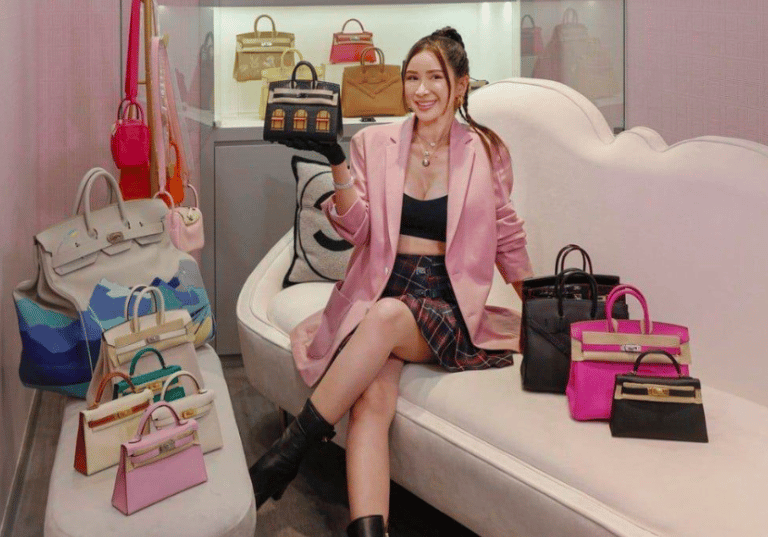
The most fiery embodiment of this principle is Hermès. The French label knows well to make an object crave what it may not so easily have. Its Birkin and Kelly bags are more than fashion symbols; for owning one means much more than carrying it around; it means "you've made it" even if you put years or bought other items just to qualify.
This blog examines how blind luxury buying shapes modern shopping, how brands like Hermès exploit exclusivity for building desire, and why the thrill of wanting often outweighs the joy of owning.
Blind luxury buying happens when people buy costly things not really for usefulness or good taste but for what they signify: status, belonging, and self-worth. The value or price is seldom considered by buyers. Just the name suffices.
This was not new. In the 1800s, the economist Thorstein Veblen defined conspicuous consumption as spending to show off social status. But nowadays, what defines luxury is no longer craftsmanship but visibility, a definition greatly accelerated by social media and influencer culture ubiquity.
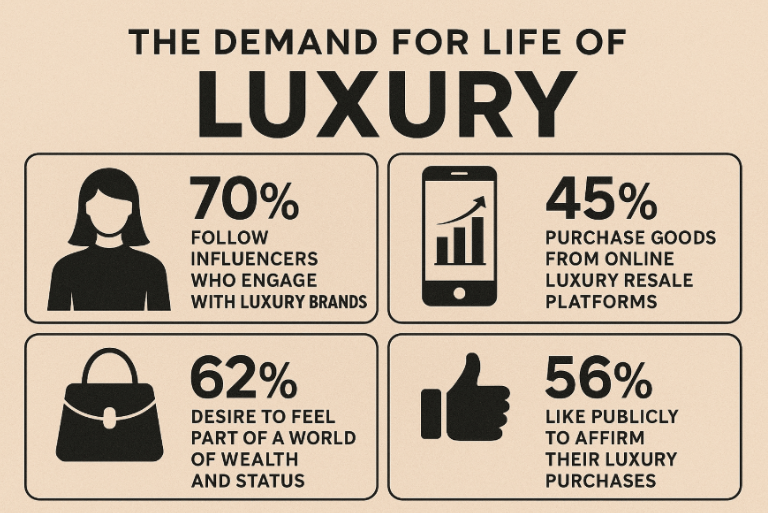
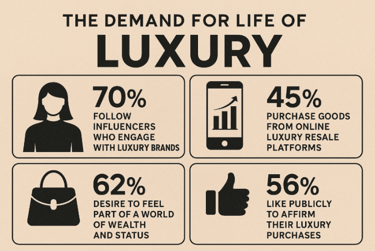
Unboxing videos and luxury haul bounties reside on platforms. Purchases are more about attaching one to a lifestyle, rather than appreciating a product. Young buyers-much more so Gen Z and millennials-are the fastest-growing segment in the luxury market. They emotionalize their shopping, linking it to confidence, identity and accomplishment. Buying becomes blind when one identifies self-worth with one's buying power.
Hermès: Face Of Exclusivity
Founded in 1837 as a saddle-maker, Hermès rose to become a universal symbol of elegance and restraint. Today, it is known less for quality and more for the challenge of buying it.
The Birkin and Kelly bags, ultimate status symbols, often require months or even years of waiting; even then, customers may not get their preferred color or size. Many stores expect buyers to "build a relationship" by purchasing scarves or belts before being considered for a bag.
The exceptionality of such scarcity is intentional. Hermès makes sure that the supply never reaches the demand, keeping the aura around it alive. Others chase exposure; Hermès thrives on silence. The definition of obsessiveness then becomes waiting rather than saying something. Possessions feel like achievement - that sums up the meaning of blind luxury buying.
Manufactured Scarcity: The Way Brands Build Blind Demand
Scarcity is the best initiator of blind buying. The psychological effect of "scarcity" includes an effect on demand for anything that seems hard to get. Hermès has built its entire establishment on that.
Each bag is fully handmade by an artisan, therefore output is limited by the nature of it. Yet, Hermès intentionally limits production even more, whereby demand exceeds supply and includes long waiting lists and tales about "qualifying" for a bag. Buying becomes synonymous with merit, a reward for loyalty and patience.
Others, like Rolex with its waitlists or Supreme with limited "drops," also do this, but none match the subtlety of Hermès. Its silence is the marketing. The rarer it seems, the more valuable it feels. This feedback loop, the more it gets intertwined with the causes of scarcity, makes Hermès remain out of reach from fleeting online trends.
Times have changed, and luxury is no longer a quiet indulgence; rather, it has become a loud spectacle for posters to display for digital validation. Platforms such as Instagram and TikTok have given way to aestheticly-driven identities. Even the mere sight of an orange Hermès box or a Dior shopping bag can create tides of aspiration and envy. Influencers stage their feeds like modern-day catwalks, where brands become social currency and consumption becomes performance. The resell market thrives on this frenzy-given the limited drops, the fake scarcity created by unboxing videos, and followers chasing their exclusivity. In this attention economy, it is no more that people buy objects; they buy moments of perceived prestige, hoping a logo will convert into belonging, beauty, or status-if only for the next few minutes of their story.
What makes people willing to endure waitlists or to pay double for something they cannot live without? Desire will, of course, hold the answer for Hermès.
This general idea corresponds with that of Veblen goods; goods become more desirable as their prices go up. Very simply put, high price tags mean exclusivity. The higher your buy is to achieve, the more prestige it confers.
Hermès exploits the urge for and against its maintenance. "Sold out" tags or private appointments maximize desire. The purpose in getting a Hermès bag elevates the entire task into a process of earning. Every purchase grants a kind of validation on one’s identity.
A study by Deloitte states that over 70% of luxury buyers buy to buttress their self-esteem or social confidence. A Hermès bag just quietly announces success. Blindness is when emotion overshadows reason. The person wanting it doesn't know why; they just feel they want it.
Hermès exploits this beautifully. The brand doesn't solve problems; it creates desire.
Influencers, Resellers, and the Social Media Effect
Blind luxury buying has raised some ethical questions. When shopping for a bag worth lakhs, a fraction of its retail price is now considered luxury: is it already an excess?
Hermès craftsmanship is par excellence; however, it fuels obsession and consumer disparity. A lot of these purchasers scarcely use what they purchase; they treat products like prospective assets. It's this cycle that goes against the present tenets of sustainability.
Exclusivity, yes, but this hollowness inherently widens social divides; luxury then becomes a language of exclusion. Quite a few critics have argued that this normalizes inequality by glorifying wealth over wisdom.
Hermès provides small steps towards responsibility, i.e., repairs and timelessness in design, while the harrowing question lingers: Does luxury own us, or do we own luxury?
The Psychology Of Blind Luxury Buying
Coco Chanel had once said, “Luxury must be comfortable; otherwise it is not luxury.” But today, comfort comes second. The modern definition of luxury is built around exclusivity, validation, and recognition. These icons are pursued, not satisfaction.
Brands like Hermès have achieved mastery by converting scarcity and desirability into power. But beneath all the glamour lies something darker: we buy not because we need it, but just because we want to be seen.
However, true luxury remains a quiet personality, its craft, longevity, and meaning, totally unlike loud logos. The challenge is not to stop buying, but to buy consciously.
Because when the applause dies down, and cultures do come to an end, the real value will be not in the logo on your bag but in the self-assurance that does not need a logo.
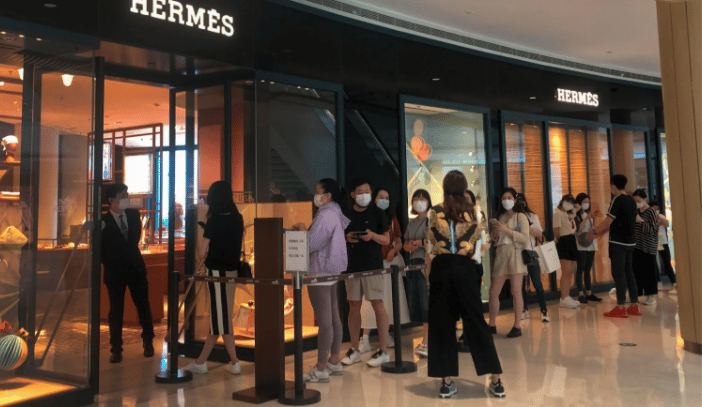
This is further magnified by the influence of influencers. They continue to be invited to brand events, given early access, and flaunting exclusivity as social capital. A single viral unboxing can reach millions, reinforcing that owning a Hermès product equals belonging to an elite circle.
In parallel, the resale market thrives. Such platforms include Vestiaire Collective, The RealReal, and Baghunter, which have built a global luxury resale economy worth $50 billion (2023) with Hermès as one of the biggest sellers. Bags typically resell at 50-200 percent above retail, but demand never seems to diminish.
Bain & Company studies have reported that nearly 60 percent of Gen Z luxury consumers claim that social media is the greatest influence over them. Luxury, for them, is visibility rather than craftsmanship. Hermès benefits greatly-this post adds to the mystery that grows with each resale listing.
The Ethics: Where Luxury Meets Excess
Blind Luxury Buying: What Is It?
For most, spending over ₹9 lakh on a handbag seems ridiculous. But that's business brilliance for Hermès. A Birkin bag is anything between $10,000 and $40,000 and occasionally more. Production costs are said to be between $800 and $1,500. The rest is pure brand value, yielding profit margins of over 90 percent.
As for the years, Hermès had a report that stated a revenue of €15.2 billion in 2024, up 15 percent. There is €6.2 billion of that in recurring income (40.5 percent margin) and €4.6 billion net income, which stands for 30.3 percent of sales, among the highest in luxury.
Consumers vindicate these prices as investments, with some Birkin bags increasing in resale value above or below original prices, according to The RealReal and Baghunter, outperforming gold or stocks. Hermès, therefore, must blend emotional and financial worth, storing, indeed, not just merchandise but the illusion of permanence worth.
Ultimately, it's not just a bag-it's economics in motion.
Behind the Price: Desire's Economics
Conclusion