THE MARKETS OF MISERY
By Bhawana Mahawar
11/19/20255 min read
"In every disaster, there are those who perish – and those who profit."
– Anonymous
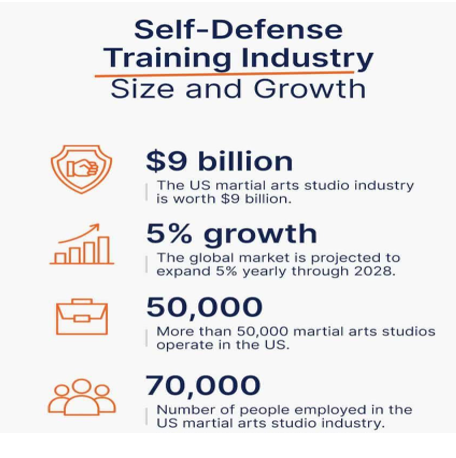
Nations may be wrecked by war, but economies are strengthened. Every explosion is the result of a demand-driven business that produces everything from technology and logistics to weapons and ammunition. Conflict has subtly turned into an economic strategy for superpowers, particularly the US.
Under the guise of “security” and “peacekeeping,” American defense behemoths like Lockheed Martin, Boeing, and Raytheon make billions of dollars delivering weaponry to war-torn areas.
Arms deals persist despite humanitarian rules that demand the protection of civilians, frequently eschewing morality in favor of profit. However, the US is not by itself. Through defense exports, countries like China, France, and Russia also use wars as a chance to increase their economic might and political clout.
According to the International Humanitarian Law, civilians must be protected amidst war and warring entities cannot utilize indiscriminate attacks that could potentially impact civilians but, as war continues to grow worldwide, whether it be in Yemen, Ukraine, or Gaza, the ethics of foreign countries’ efforts to fuel these wars through weapon transfers is being called into question.
War, in today’s world, isn’t just fought - it’s funded.
“When people panic, markets prosper.”
When the world went into lockdown, feelings went into hyperactivity, and so did consumer behavior. The shelves were being turned over faster than they could be filled. Simple needs such as rice, flour, sanitizers and even toilet papers were like survival awards. This worldwide scramble for essentials was a psychological phenomenon more than a matter of need.
According to a 2021 study in the Journal of Retailing and Consumer Services, panic buying during COVID-19 was primarily driven by fear, uncertainty, and perceived scarcity. People sought control in chaos, and consumption became a coping mechanism. Buying more felt like staying safe.
However, what started out as self-defense quickly devolved into a vicious cycle of manufactured scarcity. A shadow economy developed as a result of consumers hoarding supplies, which caused stocks to run out and prices to rise. Masks, sanitizers, and even common medications were offered at exorbitant prices, allowing the black market to flourish.
Fear was used by opportunists and retailers alike, who turned necessity into profit. Large corporations and small businesses benefited in different ways. While manufacturers and e-commerce platforms benefited from long-term demand surges, smaller merchants made short-term profits from bulk purchasing. To put it briefly, crisis turned into money.
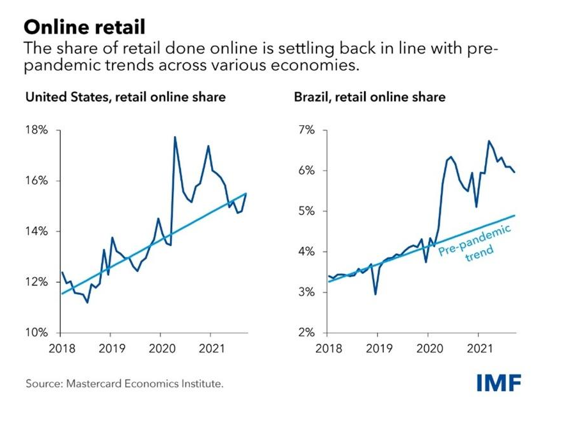
“The e-commerce boom proved that even when the world shuts down, the marketplace never sleeps — it simply logs in.”
Any crisis, in general, could have three possible ramifications - it may spark innovation, revive forgotten practices, or accelerate transformations already in motion. The pandemic did all three, and nowhere was it clearer than in the world of e-commerce.
The streets were quelled by lockdowns, and the internet found its loudest voice. Companies further accelerated the ongoing shift towards online marketplaces as opposed to physical ones, revived the old idea of doorstep delivery using apps, and introduced new approaches to contactless delivery and AI-assisted inventory management. The screen became the new supermarket for everything from groceries to electronics, from online classes to web series that are worth binge-watching.
“Where lives were at stake, fortunes were made.”
In addition to posing problems for health systems, the COVID-19 pandemic boosted the pharmaceutical sector. Demand for masks, sanitizers, and medications surged due to panic, and the creation and dissemination of vaccines made businesses instantly international. Digital health services expanded as consumers were interested in safe, online access to their needs, and India started to do more of its domestic production of APIs producing less to be imported. With strategic investments and foreign demand, the country was referred to as the “Pharmacy of the World”, which showed that when the time of crisis came, need could easily become profit.

Due to climatic changes and increasing health concerns, natural, chemical-free and organic foods products are increasing in demand. Something that used to be a choice has become a statement, and companies are keen on taking an advantage. Demand and scarcity transform simplicity into luxury: packaged natural goods, organic grains, and vegetables are marketed for far more than their ordinary counterparts. In other words, taking care of the environment and one’s own health is expensive. This isn’t just a grocery shift.
Purchases of health and life insurance have also increased as a result of growing awareness of the importance of family and personal well-being. People are investing in financial security due to the same worry that is pushing them toward “clean” food, which is creating another profitable business. As fear and responsibility are turned into revenue sources, corporations, insurance companies, and niche brands prosper.
If human suffering can be measured in dollars, what does that say about our world?
Crises – War, pandemic, natural catastrophes reveal how weak life is and how resourceful human beings can be. But, they also disclose something dirty, profit often trails agony and terror. Businesses, markets and even governments monetize uncertainty by converting tragedy into an opportunity. Semi-disaster has become one of the most lucrative lines of business in the modern world, whether it is the surge in insurance and panic-buying in times of pandemic or the high price on organic food and defense shipments in wartime. Economic adaptation is a normal condition however, I suppose there exists a thin margin between innovation and exploitation.
Profit can be a solution, as well as a source of misery in a crisis, making it a product. Such knowledge of these dynamics is important as it helps us to challenge, analyze and raise arguments in favor of a balance between opportunities and ethics. Ultimately, the crises should not only challenge the markets, but humanity as well.
When the world bleeds, why do some balance sheets bloom?
The market for someone opens when the world falls apart. It seems like every tragedy has a cost and there is always someone looking to make money out of it. Climate disasters drive the expanding “eco-friendly” living industry, pandemics build pharmaceutical empires, and wars drive the selling of weaponry.
What people refer to as a crisis, capitalism refers it as an opportunity. We live in a time when fear has market value and grief has an economy. When nations fall, some rebuild, but at a cost; when people fear, they buy. From multinational defense companies that profit from international crises to companies that offer ethics in recyclable packaging, disaster has unobtrusively emerged as the most sustainable business model in the world.
The question is no longer how the world survives a crisis, but who profits from it.
The Business of Survival: How The Pandemic Created New Markets
“Never let a good crisis go to waste.”
- Winston Churchill
From Nature to Niche: The Premium on Purity
Guns, Glory and GDP : The Business Behind the Battlefield