
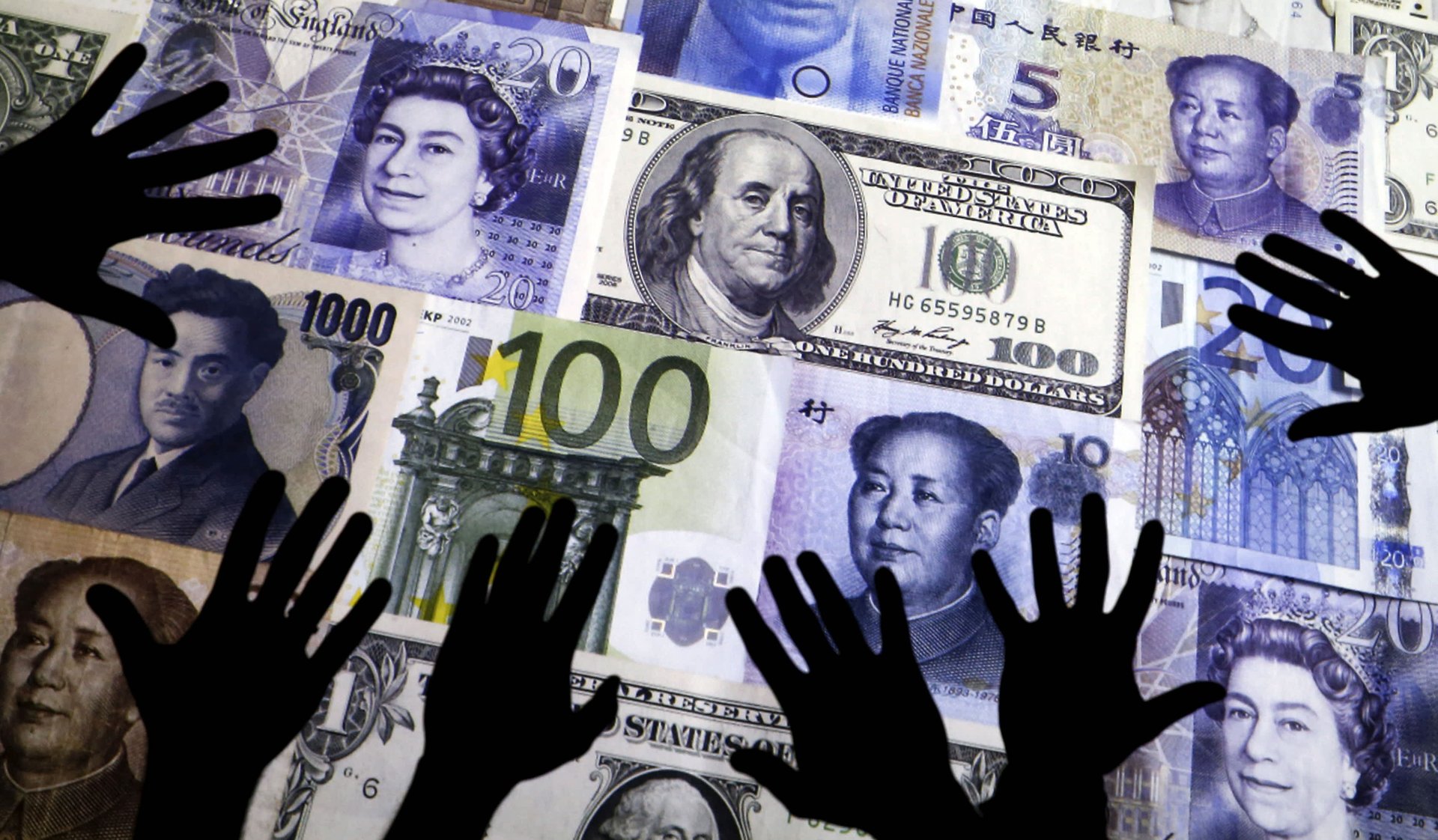
De-Dollarization: Can the World Really Move Away from the U.S. Dollar?
By Laksh Sehgal
2/25/20266 min read
What would happen if the world stopped using the U.S. Dollar tomorrow?
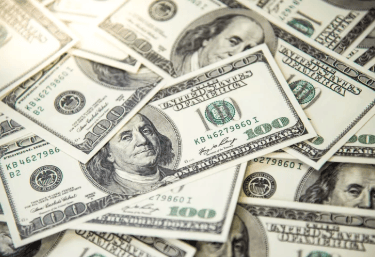
More than seven decades have passed since the dollar became the pillar of world trade, finance, and reserves. The dollar controls almost 88% of all foreign exchange activity and represents nearly 60% of world currency reserves, making it the most reliable instrument of exchange in the world. From oil transactions to global loans, the presence of the greenback permeates all levels of the international economy. However, over the past few years, this dollar hegemony has started to come under soft but serious challenges. Nations such as China, Russia, and the countries of the BRICS bloc have begun to look at how they could cut back on dollar dependence—driven by fears of US sanctions, mounting debt, and the need for increased financial independence.
INTRODUCTION
This worldwide push, called de-dollarization, introduces a critical question: Can the world actually escape from a currency so entrenched in its infrastructures? In examining that question, we reveal not only an economic tale but a geopolitical transformation that is molding the future of international power, commerce, and monetary stability.
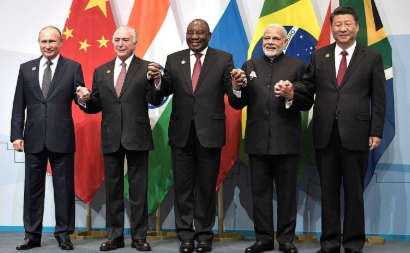
The BRICS nations are spearheading the world's movement away from using the U.S. dollar. Brazil, Russia, India, China, and South Africa are actively encouraging international trade in their respective domestic currencies and creating alternative means of payment. This development is motivated in part by a need to minimize risks posed by U.S. sanctions, currency fluctuations, and geopolitical tensions. For instance, the digital yuan has been launched in China, while India is planning internationalization of the rupee through currency swaps and trade deals. These nations also want to enhance their economic sovereignty by reducing the effects of U.S. monetary policy. Though the dollar continues to dominate, such increased collaboration among significant emerging economies indicates movement toward a more diversified, multipolar financial system. The recent enlargement of BRICS adds further momentum to these initiatives, reflecting an unmistakable trend towards de-dollarization, determining the course of world trade and finance.
Alternatives to the Dollar
Consider a world where cross-border payments occur promptly, safely, and independently of the U.S. dollar. Such is the reality being crafted with developments such as BRICS Pay, a new digital payment system that BRICS countries are creating. Intended to enable nations to conduct trades in their own currencies, BRICS Pay will lower reliance on legacy Western networks such as SWIFT. This decentralized system is based on blockchain technology and facilitates quick, low-cost transactions, and it will assist member nations like Russia, China, India, Brazil, and South Africa in taking greater control of their funds. Already operating national systems like Russia's SPFS and China's CIPS offer alternatives to dollar-denominated payments and will be linked together via BRICS Pay for a single network. While in nascent stages, such endeavors represent an important step toward constructing a better-balanced world financial system with reduced vulnerability to dollar volatility and U.S. sanctions. The BRICS expansion will progress with similar influence and adoption of such alternatives, reforming international trade and finance.
One of the largest obstacles to de-dollarization is the unparalleled dominance of the U.S. dollar in international trade and finance. The dollar is used in almost 88% of international foreign exchange transactions and approximately 58–60% of international currency reserves, far surpassing any rival. This leadership is backed by the magnitude of the U.S. economy, the openness of the U.S. financial markets, and the high liquidity of U.S. Treasury bonds, regarded as the safest asset in the world. Further, prominent commodities such as oil and natural gas continue to be mostly priced and traded in dollars, making it more entrenched in global trade. Although other currencies like the euro and yuan have made small advances, their limited convertibility, smaller money markets, and political risks have kept them from becoming plausible global alternatives. Consequently, the established dominance of the dollar continues to render de-dollarization a multifaceted, slow process instead of an inevitable change.
Importance of De-Dollarization
The significance of de-dollarization is that it can enhance economic sovereignty and alleviate risks related to reliance on the U.S. dollar. Most nations, particularly those in the BRICS bloc, aim to diversify from the dollar to have more monetary policy control and prevent risks related to U.S. sanctions and dollar value fluctuations. De-dollarization can support local currencies and financial stability by lessening exposure to external shocks and exchange rate risks. Nevertheless, the process has risks like heightened currency volatility and requiring a strong financial infrastructure to sustain alternative currencies. Emerging economies such as India can gain improved monetary autonomy and financial stability but need to implement de-dollarization cautiously to manage these risks. While the dollar provides stability and liquidity that have long underpinned international trade and investment, the changing geopolitics and action by countries to develop alternative monetary systems make de-dollarization strategically and economically relevant today.
The supremacy of the dollar gained momentum strongly in World War I when the United States emerged as a vital war material and food supplier, and trade was frequently settled in dollars. Post-World War II, the Bretton Woods Conference in 1944 solidified the supremacy of the dollar by making it the world's major reserve currency, linked to gold at $35 an ounce. This regime established a secure international monetary system in which numerous currencies were tied to the dollar, which became the keystone of global trade and finance. The dominance of the dollar enabled the United States to gain economically and geopolitically; American businesses and consumers benefited from the widespread acceptance of the dollar, and the United States could more easily finance its debts. Throughout decades, even with fluctuations such as the abolition of the gold standard in 1971, the dollar remained the dominant currency, constituting the pillar of the contemporary international monetary system.
Who is Driving De-Dollarization?




De-dollarization, though attracting attention, is hindered by profound structural and economic obstacles that render the worldwide transition very challenging.
Absence of a strong alternative:
Economic and institutional constraints:
Challenges of De-Dollarization
The majority of emerging markets use the dollar for payment clearance, debt issuance, and trade invoices because the dollar accounts for 88% of all forex transactions. Replacing the network would require enormous investment in compatible financial systems and central bank coordination.
Market instability risks:
Sudden changes might induce exchange rate instability, increase the cost of borrowing, and undermine investor confidence. The Atlantic Council cautions that half-hearted de-dollarization attempts can boomerang, creating patchy global liquidity and regional instability.
Historical Context of Dollar Dominance
De-dollarization is not merely a change in currency preference; it is a signal of a far-reaching transformation in international economic power and financial stability. Readers should care because this trend can redefine the manner in which nations trade, invest, and hedge. The more countries diversify reserves and trade in domestic currencies, the less they are exposed to U.S. monetary policy and sanctions, and hence, to a potentially better-balanced and multipolar system of finance. For businesses and individuals, this may translate into shifts in currency worth, import/export prices, and investment relationships. Additionally, nations such as India gain enhanced monetary freedom and less sensitivity to global shocks. Nevertheless, the shift also holds threats like currency instability and short-term market uncertainty. De-dollarization provides insights that enable readers to forecast economic transformations that can affect world markets, national policies, and daily financial actions. Being aware helps firms and investors adjust strategies ahead of time in a changing world economy.
The de-dollarization of the future will most likely be influenced by a combination of geopolitical shifts, diversification of the economy, and technological advancements. The most likely scenario is one of gradual transition toward a multipolar financial order, with the U.S. dollar still dominant but increasingly challenged by regional and digital currencies. The dollar's percentage of global reserves has already dropped to 58.4% in 2025, its lowest in over two decades, as central banks diversify into holding gold, euros, and yuan.
Geopolitical tensions—be they Chinese-American trade tensions, Russian sanctions, and emerging BRICS+ alliances—are speeding the move away from the dollar in cross-border transactions. Growing usage of BRICS Pay and Chinese regional settlement systems such as CIPS, along with growing adoption of digital currencies like the digital yuan and rupee, indicate a reordering of the global payment networks.
Instead of a sudden collapse, analysts predict a gradual restructuring of international finance. The dollar will continue to retain influence due to its liquidity, openness to capital flows, and institutional stability, even as emerging economies push for financial multipolarity.
Essentially, the world appears to be moving toward a model of coexistence, where the dollar becomes one among several currencies that wield power in a more decentered international economy.
Possible Future Scenarios
Conclusion: Why Readers Should Care?