Consumerism
By Misthi
3/5/20266 min read
There is a very popular Shloka in Sanskrit
Dolls, Cups and Chocolates: How 2025 Broke our Brains (and Wallets)
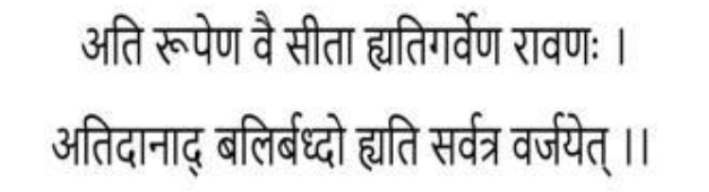
It translates to , “Mother Sita was abducted because of her extreme beauty. Ravana was killed because of excessive pride and King Bali fell into bondage because of being very charitable.” That’s why excess should be avoided everywhere (always), excess should not be done anywhere even in consumption. The year 2025 disobeyed this shloka greatly as proved by the viral consumer frenzy of Labubu Dolls, Stanley Cups and Dubai Chocolates that broke our wallets (and our brains).
The Trap of More : How Consumerism Slowly Eats Away at the Economy
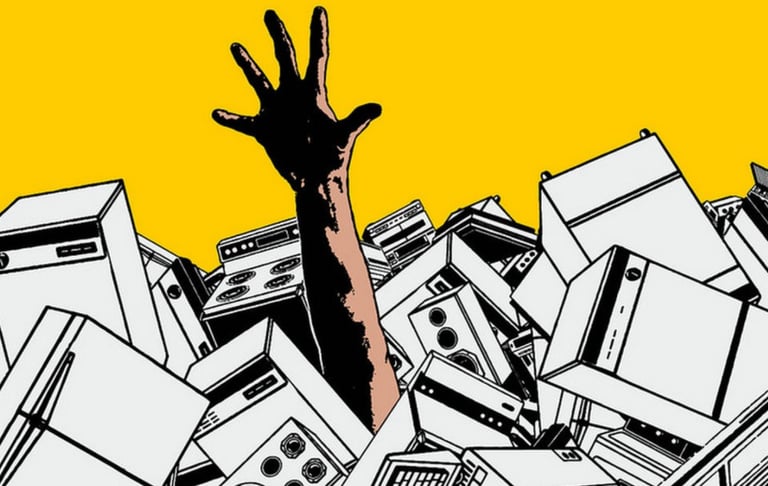
Consumption is a function of disposable income. It contributes a lot to the investment of a country. Keeping this consumption in mind, producers manufacture those goods and services which provide satisfaction to consumers. Advertising and marketing psychologically attract the consumers so much so that they purchase goods without wanting them. This is where consumerism begins. Unnecessary purchases lead to an increase in the price of goods, and the real consumer either does not get the goods on time or gets them at a higher price. It creates a feeling of dissatisfaction in society. The tendency to consume more than necessary is called Consumerism. In this case, the consumer not only misuses his own income but also forces others to buy more.
What went wrong in 2025?
Labubu Dolls
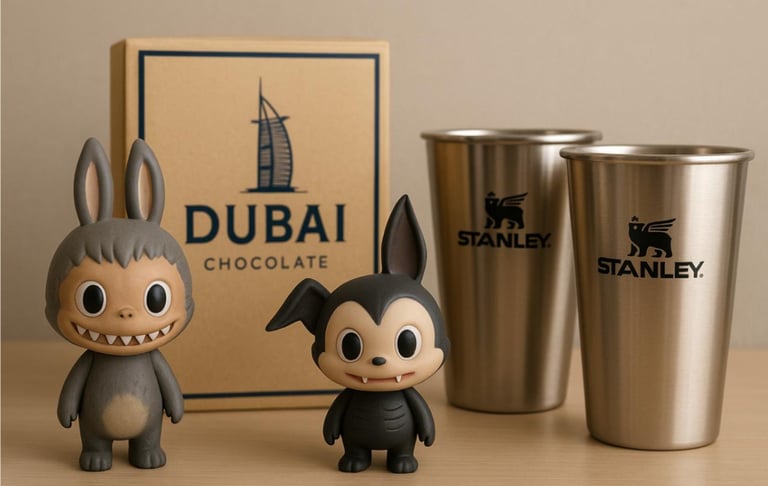
These are plush dolls sold by POP MART inspired by storybook characters. They are essentially designer figurines, super cute to some, creepy to others, and come in limited editions that sell out instantly . Labubu dolls retail for $20 TO $300. POP MART saw a revenue increase of nearly double in 2025 to $1.81 billion. Revenue from Labubu made up nearly 22% of its overall revenue.
What was so special in these dolls? Why were people so obsessed with them and spent hundreds and thousands without a thought?
This frenzy can be explained with the help of three concepts-
1)Pop consumerism- Pop Art X Consumerism characterized by pursuit of goods through influence of brands and advertising. The Labubu hashtag generated over 1.4 million views on TikTok alone.
2)Disposable status symbols- Labubus function as an in group/out-group establisher. They have become a status symbol. They have set a global trend through social media. They are a ‘luxury’ purchase because they don’t serve any function besides virtual pleasure or social signalling.
3)The Lipstick Effect – An economic theory that proposes that consumers buy more ‘mini luxuries’ when the economy is suffering because they feel that their long term goals like buying a house are unattainable, they indulge in affordable luxuries. This effect is morally neutral. It’s just an observation of behaviour during economic recession. Imagine buying a $50 Labubu to treat yourself on a Saturday.
Stanley Cups
The Quencher widely regarded as Stanley Cup is an insulated tumbler that became a cultural phenomenon especially among younger customers. Influencers showcased its design and functionality and gained thousands of views (almost 3 billion on TikTok). It is tied to hydration trends, often labelled as a must have accessory. Stanley keeps prompting people to buy multiple tumblers and releases limited editions as expensive as $250.
Dubai Chocolates
Since the late 2023, Dubai chocolate exploded from a local treat to a worldwide viral dessert. The OG bar was created by Fix Dessert Chocolatier, founded by Sarah Hamouda from the UAE. In Q1,2025 over 1.2 million chocolate bars were sold in UAE alone. Tastewise, pistachio drives 39% of all Dubai chocolate social mentions .This led to a massive surge in demand for pistachios,impacting global supply chains and causing shortages What made Dubai chocolate different from other luxury chocolates?
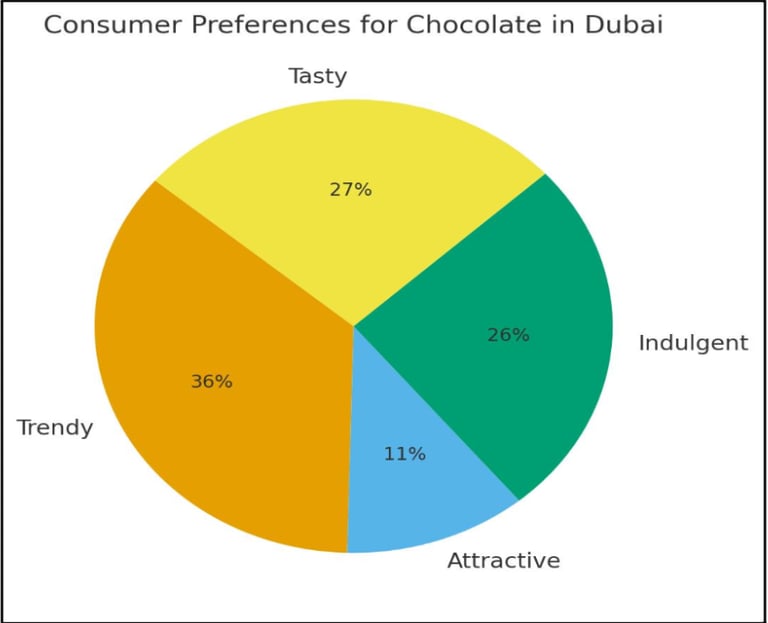
This chocolate is closely correlated to pistachio, knafeh, and kataifi trends. It basically represented a cultural phenomenon caused by social media consumerism ,characterized by its viral popularity ,luxurious feel and rapid adoption by big brands.
Let’s look at some concepts to analyse consumerism-
The Art of Wanting More
Psychology of extreme consumerism:Brands create targeted strategies that resonate with the behaviours, emotions, motivations, cognitive biases and social influence of consumers. They target the minds of consumers to increase sales.
1)Motivations- Need for status, belongingness, self-expression or convenience. According to Harvard Business review, Emotional motivators= 2 x Rational motivators for influencing consumer behaviour.
2)Emotions-Positive emotions = Increased purchases & Negative emotions= Decreased purchases
Emotions like joy, nostalgia, fear influence consumer behaviour impacting brand perception and purchase decisions.
3)Social influence-Demonstration effect ,trust recommendations, social proof, influencer marketing drive consumer behaviour.
4)Cognitive biases-Consumers are subject to mental shortcuts that impact decision making .Like consumer’s perception of price is influenced by the initial price point they encounter.
Hype Economy- It is the strategy of increasing demand by creating a hype around a product through physical advertising platforms or social media and online platforms. The hype creates an “air of awe” around the product which unconsciously forces the consumers to buy something they probably don’t even need.
Limited editions and scarcity marketing- People perceive scarce items as more valuable and desirable. Limited edition products create a sense of urgency and exclusivity. By capitalizing on FOMO, status ,social proof, pride, emotional connect, values and expectations marketers drive faster purchases and higher conversion rates. Marketing techniques used mostly are countdown timers, exclusive pre-order windows and “while supplies last” messaging.
Icons,Influencers and Impulse
Memetic influence - Memes drive and reflect consumption of ideas, lifestyles and identities just like products in the market. They encourage rapid use and throw of ‘trends’ and mimic the mechanisms by which consumerism shapes self image via brands and advertising. This meme culture moves fast “yesterday’s viral meme is today’s forgotten trend” just like consumers of new age glorifying rapid trend cycling and disposability. It normalises shallow consumption -the image of something is more important than its substance ( symbol > quality/meaning).Algorithmic driven nature of social media amplifies what is called the ‘echo chamber effect’ meaning algorithms decide what content you see shaping your choice and reinforcing consumption of similar types of products much like targeted marketing.
FOMO- Fear of missing out is reinforced through limited editions, social media, changing trends and emotional reassurance.
TO NEED - NO
TO BELONG - YES
Influencer and celebrity endorsements- They sell lifestyles not products. Such endorsements create parasocial trust,often consumers cannot draw the line between aspirations and authenticity.They make you feel personally connected almost like an identity based consumerism and you will find yourself thinking “If they have it, I should have it too”. They justify useless products, and entrap us in their absolutely convincing pitch to buy those products.
Adult collecting nature-Adults nowadays are basically tall kids because they have no mind of their own.They collect ‘labubu dolls’ or ‘stanley cups’. The reasons? Absolutely wild. Labubus tap into childhood aesthetics and nostalgia while Stanley cups fuse functionality with trend identity.Adults collect to express who they are and not what they want.The collecting culture makes
ownership=belonging entrapping so called adults in a loop of desire and validation.These collectibles fill emotional gaps disguised as harmless(but rather expensive) hobbies. Precisely, it is a sophisticated form of adult escapism marketed as lifestyle.
The Global Consumption Loop
Market and Economic Implications – Consumerism increases demand that fuels economy, but over consumerism breeds instability through over production and artificial scarcity. Viral trend spike short term sales but create unsustainable businesses in the long term but on hype, not utility.
Global trends-Consumers are the same everywhere. A TikTok trend in the U.S sells out products in Asia overnight. Globalisation has made ‘viral consumption’ the new trade route, connecting countries in a rather uncanny manner.
Cultural Impact-What we buy are what we are. Brands have become our identities, they make us belong.Culture today is more about curation and less about creation.
Environmental and ethical considerations-To increase consumption sellers use aesthetic marketing.Limited edition plastics, packaging and fast shipping expand carbon footprints.The worst part is how consumerism normalises excess while branding it as self care.Mindful consumption has become a challenge in this century.
Our resources are depleting at a fast rate,market cycles are in shambles and we don’t have trees growing money for us,so it is better we spend mindfully and not trap ourselves in this over consumerism trend,for our good as well as the world’s.